

Turning 70 is universally regarded as a magnificent milestone. It is a time often associated with deep reflection, a wealth of accumulated life experience, and a conscious shift toward a slower, more intentional way of living. While entering your seventh decade naturally brings a well-earned sense of stability and broadened perspective, it also introduces a series of physical, emotional, and social changes that tend to become much more noticeable between the ages of 70 and 75.
Let’s be clear right from the start: this period is not defined by decline. Instead, it is defined by transition. The human body and mind are incredible, resilient engines that continue to function beautifully, but they begin to do so in ways that require a bit more awareness, gentle adaptation, and proactive care compared to your earlier decades. Understanding these subtle shifts in advance is the ultimate key to maintaining your independence, reducing health risks, and drastically improving your overall quality of life.
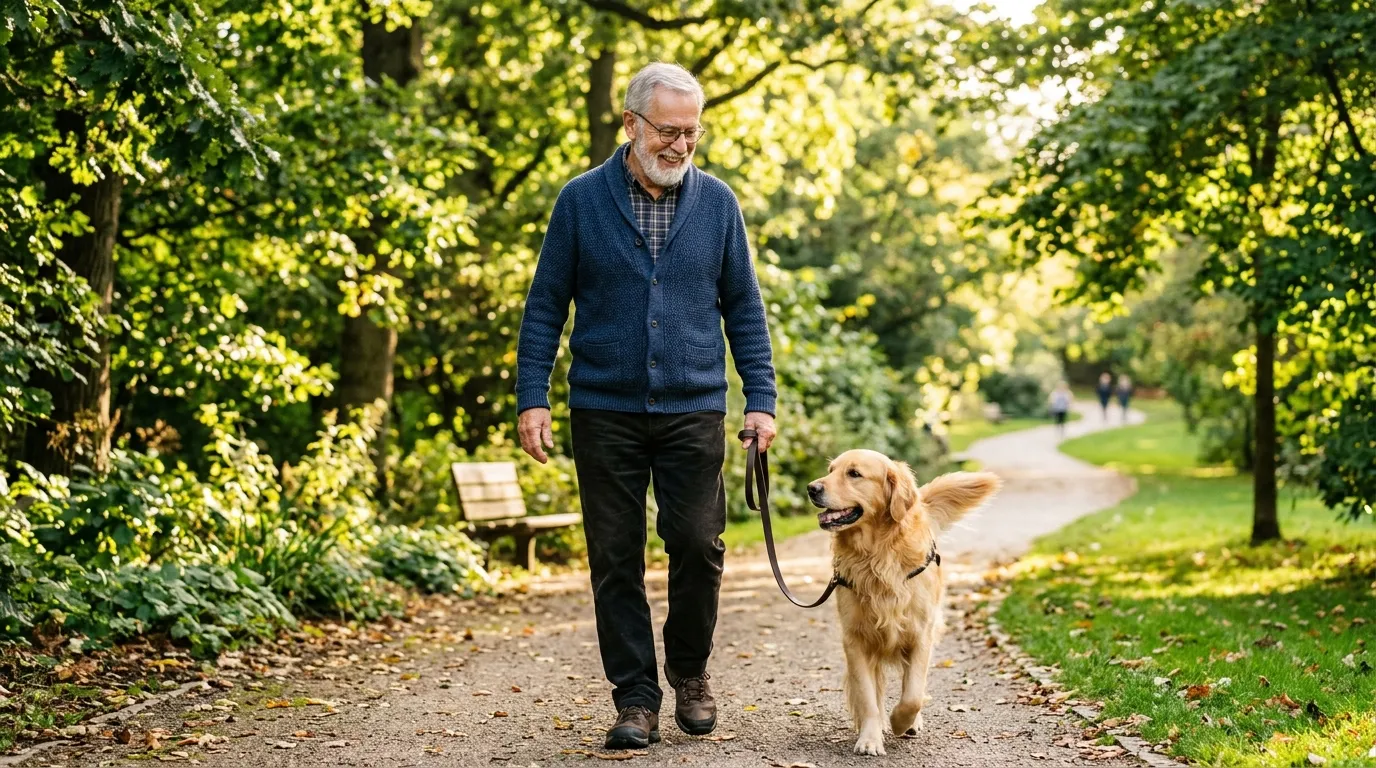
Stepping into your 70s is a beautiful milestone that brings new rhythms, routines, and opportunities for intentional living.
The Changing Physical Engine: Muscle, Strength, and Mobility
One of the most significant biological changes you might notice during this stage is the gradual reduction in muscle mass and strength. In the medical world, this completely natural process is known as sarcopenia. While it sounds intimidating, it is simply a reality of aging that typically becomes more pronounced after the age of 70.
Why does this matter? Muscle tissue is the unsung hero of your body. It does far more than dictate physical appearance; it plays a critical role in maintaining your balance, supporting your posture, protecting your joints, and ensuring daily mobility. As muscle strength naturally decreases, simple everyday activities—like rising from a deep armchair, carrying groceries from the car, or navigating a flight of stairs—might suddenly require a bit more effort.
Furthermore, your body’s ability to respond quickly to physical training and dietary changes becomes a bit less efficient. Because of this, health professionals highly recommend swapping out sporadic exercise for consistent and intentional routines. Incorporating light strength training, gentle resistance exercises, and adequate nutritional support (especially protein!) can work wonders in preserving your physical stability.
The Delicate Dance of Balance
Alongside muscle changes, your balance and coordination may start to feel a little less stable over time. This isn’t due to one single factor, but rather a combination of interconnected systems in your body shifting all at once. Gradual changes in your vision, adjustments in inner ear function, decreased joint flexibility, and a slightly slower nervous system response all play a part.
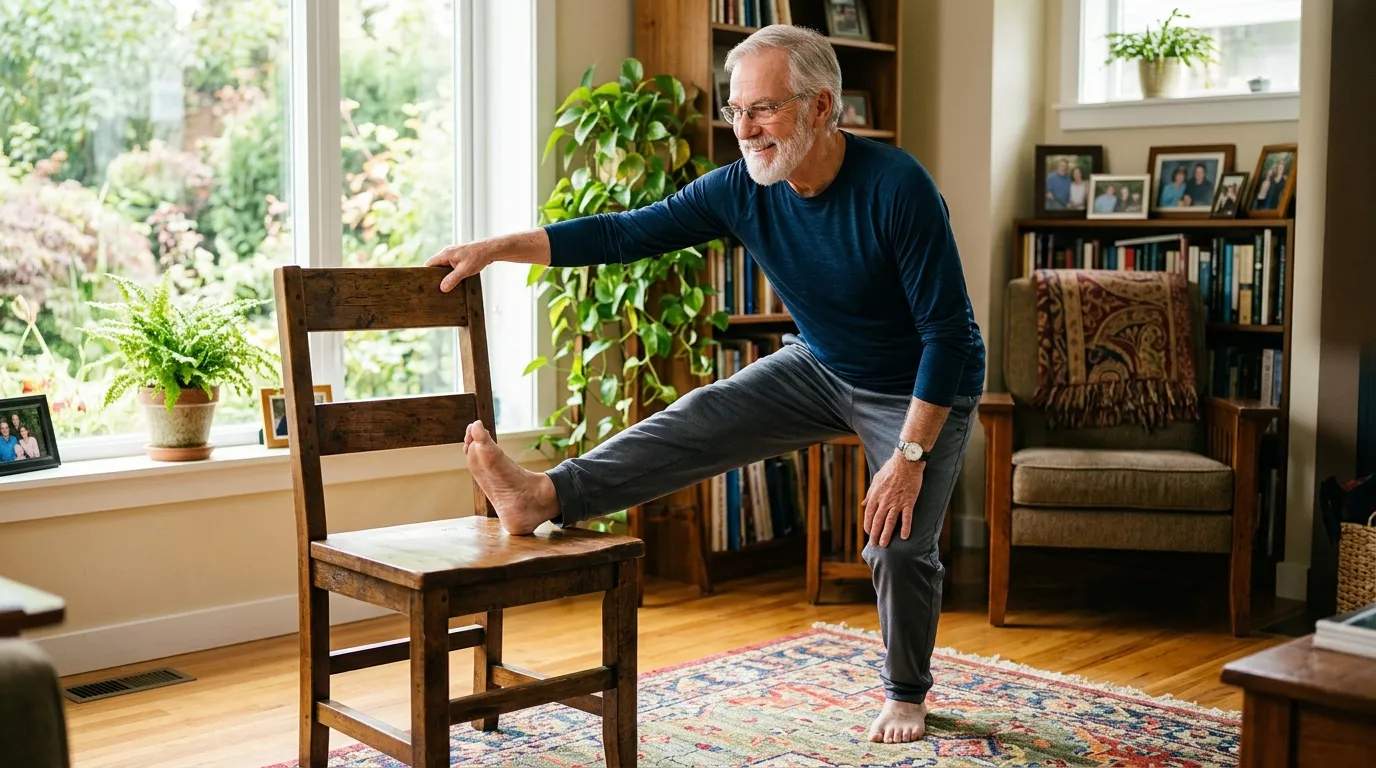
Adapting your fitness routine to include gentle balance and flexibility exercises is key to staying mobile and independent.
When these physiological systems weaken together, the risk of falling increases significantly. In fact, falls are one of the most common causes of injury among older adults. Even a seemingly minor trip can have serious, cascading consequences in later life, including fractures, sudden loss of mobility, unexpected hospitalizations, and prolonged recovery periods.
This makes fall prevention one of the absolute most important pillars of healthy aging. Taking proactive steps to “fall-proof” your life is easy and highly effective. Simple home safety adjustments—such as brightening up your hallway lighting, removing sneaky tripping hazards like loose rugs, and investing in supportive, comfortable footwear—are highly recommended by physical therapists and doctors alike.
The Heart and Soul: Social and Emotional Shifts
Aging isn’t just a physical journey; it is deeply emotional and social. Between the ages of 70 and 75, many individuals experience a noticeable shift in their social landscapes. Life events such as retirement, downsizing to a new location, or the heartbreaking loss of long-term friends and family members can drastically alter your daily routine.
If left unaddressed, these changes can gradually erode your daily social interactions, paving the way for feelings of loneliness or social isolation. Public health research consistently sounds the alarm on this issue: social isolation can act as a silent thief, negatively affecting both your mental and physical well-being. Studies have linked a lack of social engagement to heightened stress levels, a dip in cognitive performance, and a general lowering of emotional resilience.

Regular social contact and community participation are just as vital to your health as diet and exercise.
The good news? The antidote is entirely within your reach. Regular social contact—even in simple, low-pressure forms such as weekly phone calls, neighborhood visits, or community group participation—can significantly bolster your emotional health. Maintaining warm relationships with family, neighbors, or hobby groups is considered a vital protective factor for well-being in your 70s.
Your Body’s Internal Thermostat and Hydration Needs
Another fascinating, though rarely discussed, physiological change that occurs during this stage is the body’s reduced ability to regulate its own temperature. As we age, we often become less sensitive to extremes in both heat and cold. This means it becomes much harder for your body to recognize the early warning signs of temperature-related stress.
This blunted sensitivity can inadvertently increase the risk of dehydration, heat exhaustion, or even hypothermia depending on the season. To complicate matters, your natural sense of thirst naturally weakens with age. You might be physically dehydrated long before your brain sends you the signal to grab a drink.
Because of this, health experts enthusiastically recommend adopting a proactive hydration strategy. Don’t wait until your mouth feels dry! Make a habit of sipping water consistently throughout the day to keep your systems flushed and functioning optimally.
The Changing Rhythms of Rest
If you’ve noticed you aren’t sleeping quite like a teenager anymore, you are not alone. Sleep patterns frequently transform during the early 70s. Sleep often becomes lighter and more fragmented. Many older adults report waking up multiple times during the night or finding it difficult to sink into those deep, restorative stages of sleep.

Establishing a calm evening routine and staying hydrated can greatly improve your overall sleep quality.
While the total amount of sleep you need may not plummet, the quality of that sleep can be easily disrupted by minor physical discomforts, medications, or natural shifts in your circadian rhythm. Poor sleep isn’t just an annoyance; it can drain your daytime energy levels, cloud your memory performance, and impact your mood and physical coordination.
To combat this, try exposing yourself to plenty of natural sunlight during the day, which helps reset your internal clock. Combine this with a relaxing evening routine, and you can greatly encourage healthier sleep cycles.
Your Roadmap to Thriving, Not Just Surviving
Despite the hurdles, health professionals overwhelmingly agree on one beautiful truth: aging after 70 can be incredibly vibrant and fulfilling when supported by realistic, consistent lifestyle habits. You don’t need a drastic overhaul; you just need mindful adaptation.
- Keep Moving: Regular physical activity tailored to your abilities—like walking, swimming, or stretching—is the ultimate medicine for preserving strength and balance.
- Eat with Intent: Prioritize nutrient-dense foods. Make sure you are getting sufficient protein to support muscle maintenance, alongside colorful fruits and vegetables for brain and immune health.
- Secure Your Sanctuary: Take a weekend to assess your home. Add non-slip mats, clear the clutter, and ensure your living space supports your safety.
- Stay Curious: Engage your mind. Read new books, take up a hobby, volunteer, or learn a new skill to keep your cognitive sharpness and emotional balance intact.
Most importantly, pay attention to the whispers of your body. Small, gradual changes are always easier to manage when addressed early. The years between 70 and 75 represent an era of adjustment, not limitation. It is a time to focus on what you can do, rather than what you can’t. With the right habits, a bit of resilience, and an openness to adapt to your body’s changing needs, these years can truly be some of the most meaningful and independent of your life.
If you found this article interesting, please SHARE it with your friends and family!
Note: All images used in this article are AI-generated and intended for illustrative purposes only.
0 Comments