

We have all been there. It is 12:30 p.m., your stomach is aggressively rumbling, and you are staring blankly into the depths of your office fridge—or worse, mindlessly scrolling through your trusty, overpriced meal-delivery app. In moments exactly like this, defaulting to the exact same turkey sandwich or leftover salad you ate yesterday can feel like a massive failure of culinary imagination.
After all, aren’t we supposed to be constantly mixing things up? Social media is flooded with influencers showcasing elaborate, diverse, and impossibly beautiful midday meals. We are constantly told by dietitians and health gurus to “eat the rainbow” and ensure we are consuming a wide variety of foods every single day to maximize our health. The pressure to make every meal a unique, Instagram-worthy culinary adventure is immense.
But let us pause and ask a highly controversial question: What if eating the exact same meal every single day is actually a brilliant strategy? What if, particularly if you are trying to lose weight or build sustainable healthy habits, dietary repetition is the missing piece of the puzzle?

The daily 12:30 p.m. lunch panic is a massive drain on our cognitive energy.
For years, nutrition experts have preached the gospel of maximizing dietary variety. And as a wellness professional, I will readily admit that the industry has pushed this narrative hard. However, newer, ground-breaking research suggests that when it comes to weight loss, mental peace, and long-term habit formation, a little bit of strategic boredom might be exactly what your body and mind need to thrive.
Here is a deep dive into what the latest science actually says about repeating your meals, the psychology of why it works so flawlessly, and how you can implement this strategy without shortchanging your body’s nutritional needs.
The Surprising Science Behind Meal Repetition
If you are someone who happily eats the same chicken-and-rice bowl every Tuesday through Friday, but secretly harbors guilt that you aren’t doing enough for your health, a recent study published in the prestigious journal Health Psychology has some incredibly validating news for you.
Researchers set out to understand how dietary habits impact weight management. They closely monitored 112 adults, all classified as overweight or obese, who were actively enrolled in a comprehensive 12-week behavioral weight-loss program. The participants were kept under careful observation. They were required to log their daily food intake in real-time via a mobile tracking app and step on a wireless smart scale every single day to provide accurate data.
At the end of the 12 weeks, the researchers analyzed the data, and the results were eye-opening. The study revealed that participants who repeated their meals more frequently lost an average of 5.9 percent of their total body weight. In contrast, those who regularly mixed up their food choices and sought high dietary variety only lost an average of 4.3 percent of their body weight.
Let that sink in. The group that ate “boring” repetitive meals experienced a significantly higher rate of weight loss.
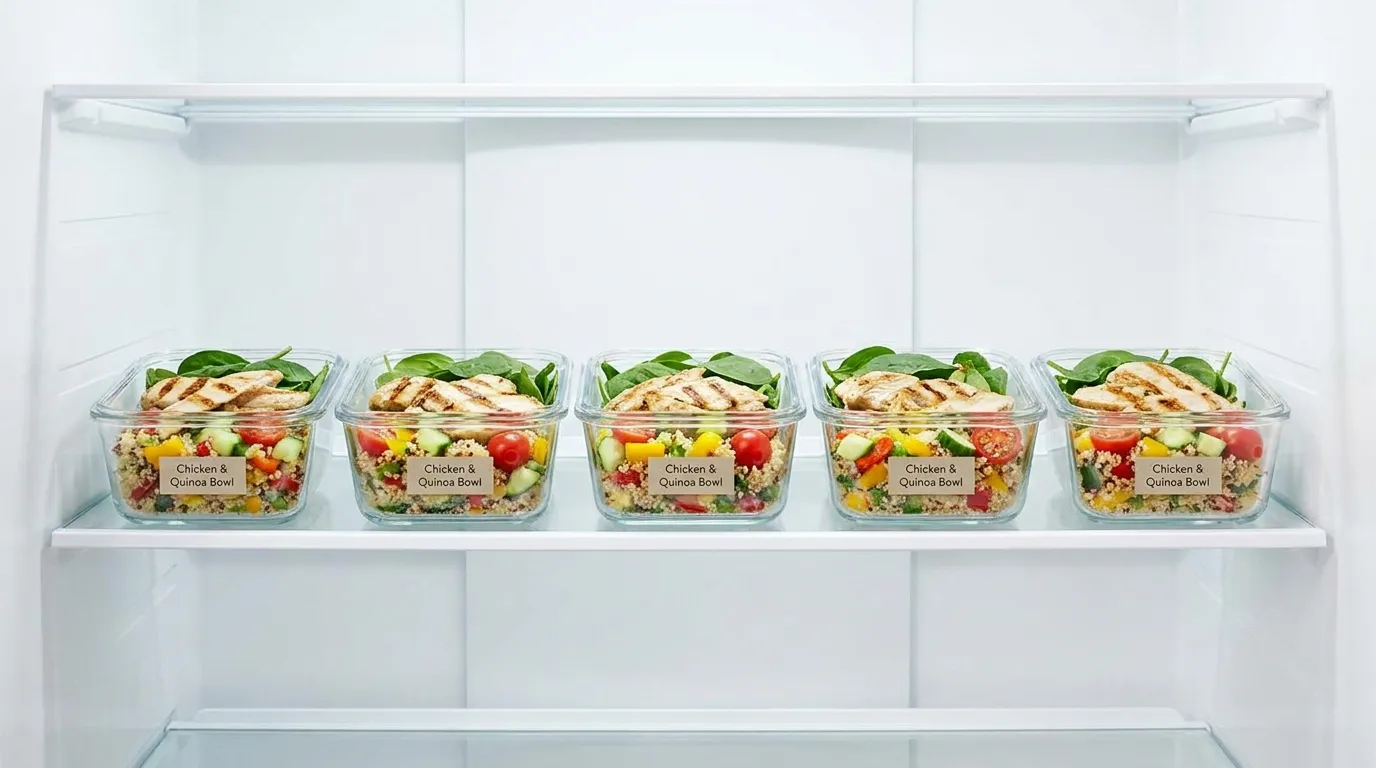
Repetition creates consistency, which is the foundational pillar of successful weight management.
Now, it is incredibly important to note the scientific context here: this study demonstrates an association, not a magical, direct cause-and-effect biological relationship. Eating the exact same turkey wrap every day does not possess mystical fat-burning properties. Your body does not suddenly shed pounds just because it recognizes the same slice of provolone cheese from yesterday.
More likely, the tremendous benefit comes from human psychology. The secret lies in the profound way that meal repetition shapes our daily behavior, our stress levels, and our interaction with our environment.
Why Eating The Same Thing Is A Psychological Superpower
So why exactly does a repetitive, predictable diet seem to help people stay on track with their health goals so effectively? A massive part of the equation comes down to brainpower, energy conservation, and the incredibly chaotic modern food environment that most of us are forced to navigate every single day.
1. Eliminating the Dreaded Decision Fatigue
Have you ever noticed that you make your best dietary choices in the morning, but by evening, you are reaching for the nearest bag of chips? This is not a lack of moral character; it is a scientifically proven phenomenon called decision fatigue.
Every single time you make a decision—what to wear, how to reply to an email, how to handle a client crisis, and yes, what to eat for lunch—you consume a tiny fraction of your brain’s cognitive energy. Your willpower is a finite resource, much like the battery life on your smartphone. By the time lunch rolls around, your “willpower battery” may already be drained to 10% from a chaotic morning of work meetings, urgent emails, commuting, and everything else currently on your plate.
When you are in a state of decision fatigue, your brain actively seeks the path of least resistance. The path of least resistance is rarely a nutrient-dense salad; it is usually a high-calorie, instantly gratifying fast-food option.
By implementing a repetitive meal strategy, you entirely remove lunch from your daily cognitive load. When lunch is already decided—and ideally, already prepped and waiting in the fridge—you completely remove the opportunity to make an impulsive, stress-driven, less nourishing choice. You are essentially putting your healthy eating on autopilot.
2. Navigating A Chaotic, Temptation-Filled Food Environment
Let us be brutally honest: our modern environment is practically engineered to make us overeat. Temptation is lurking around literally every corner. It is the box of complimentary donuts in the office break room. It is the hyper-targeted ad for a greasy burger popping up on your social media feed right as your stomach rumbles. It is the smell of fresh pizza wafting down the street when you step out for some air.
When you do not have a firm plan in place, you are highly vulnerable to these environmental cues. Creating a rigid, predictable routine around your midday meal acts as a powerful psychological buffer against that toxic food environment.
When you know exactly what you are eating, healthy choices stop feeling like a constant, exhausting uphill battle requiring immense willpower, and instead become automatic, mindless habits. You don’t have to debate the donuts because your lunch is already established. It is a protective shield for your diet.
The Important Catch: Your Body Still Demands Variety
Before you run to the pantry and commit to eating plain rolled oats for every single meal until the end of time, we need to address one major, scientifically crucial caveat.
While behavioral consistency and meal repetition can be fantastic tools for psychological ease and weight loss, long-term dietary variety remains non-negotiable for your overall, holistic health. This is particularly true when it comes to the health of your gut microbiome—the trillions of microscopic bacteria living in your digestive tract that govern everything from your immune system to your mood and digestion.
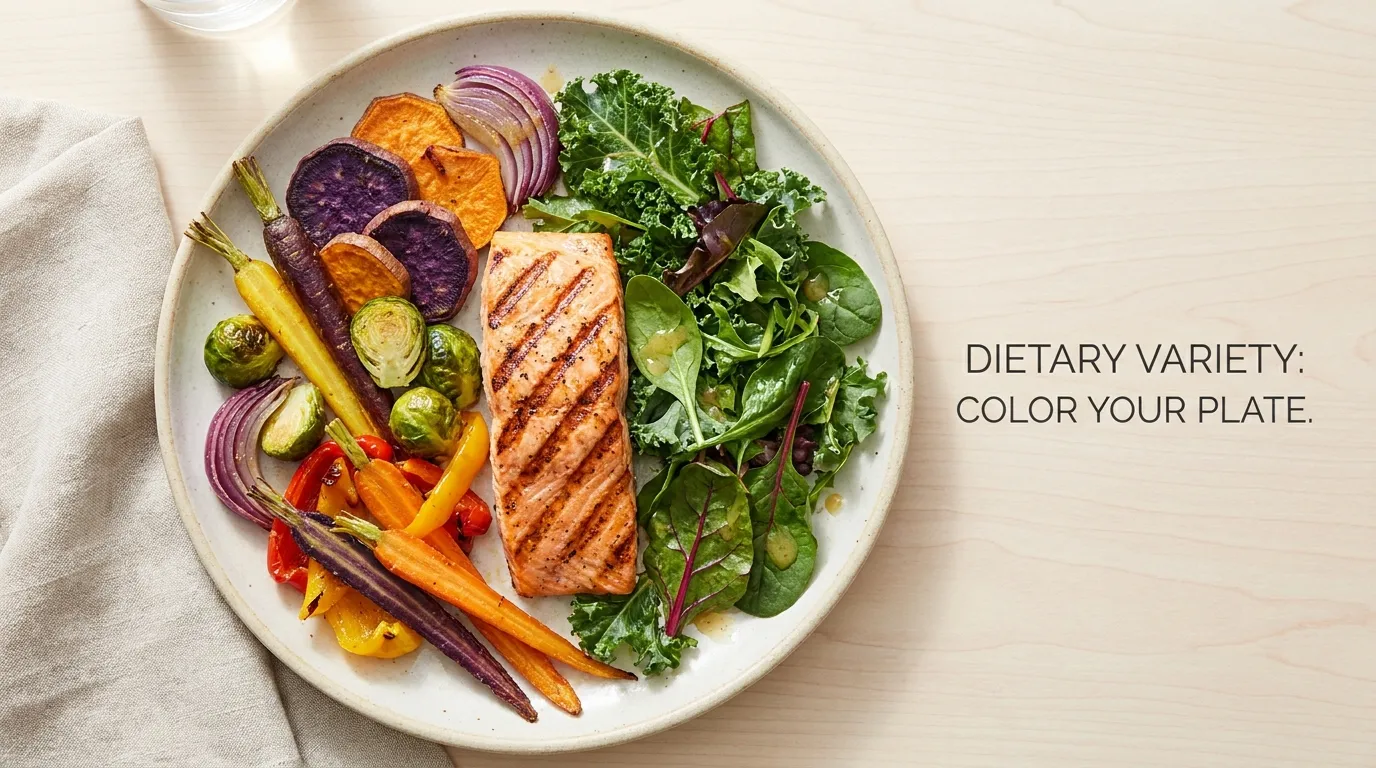
While lunch can be repetitive, your dinner plate should still look like a vibrant rainbow to support gut health.
Different essential vitamins, vital minerals, and powerful plant compounds (phytonutrients) come from different foods. A blueberry offers entirely different antioxidants than a carrot. Spinach provides different nutrients than black beans. If you lock yourself into a highly restrictive, rigidly repetitive diet for every meal, you run a very real risk of missing out on essential nutrients, leading to deficiencies and a weakened microbiome.
The real goal is to find a strategic middle ground.
If you want to eat the exact same lunch every single workday to simplify your routine and protect your mental energy, that is completely fine and highly recommended! Just make absolutely sure that you are actively seeking variety in your breakfasts, your dinners, and your snacks. Rotate your vegetables at dinner every night, switch up your weekend meals entirely, and aim for a wide, diverse mix of colorful plant foods throughout the rest of your week. Use lunch as your anchor, and dinner as your culinary exploration.
How To Build A Healthy, Bulletproof “Repeat” Lunch
If you are going to commit to eating the same thing every day, it cannot just be anything. It needs to meet three strict criteria: it must be nutritionally balanced, it must be satiating enough to keep you comfortably full until dinner (preventing the dreaded 3:00 p.m. vending machine raid), and it must be genuinely tasty enough that you actually look forward to eating it day after day.
A poorly constructed repeat meal will only lead to resentment and eventual binge eating. A perfect repeat meal will make you feel energized and focused. Here are four fantastic examples of well-balanced repeat lunches that you can easily incorporate into your life:
1. The Ultimate Power Bowl
This is a classic for a reason. It is infinitely customizable, holds up beautifully in the fridge for days, and packs a massive nutritional punch.
- The Base: Start with a high-fiber complex carbohydrate like cooked quinoa, brown rice, or farro. This provides slow-releasing energy.
- The Greens: Add a hefty handful of mixed greens, arugula, or massaged kale for volume and micronutrients.
- The Protein: Top it with roasted chicken breast, baked tofu, or a scoop of seasoned chickpeas to keep you full and preserve muscle mass.
- The Fat & Flavor: Add a generous scoop of hummus, half a sliced avocado, and a simple drizzle of high-quality olive oil and lemon juice.
- Pro tip: You can easily swap the type of greens or change the protein source from week to week (e.g., chicken one week, salmon the next) to add a tiny bit of necessary variety without changing the stress-free, underlying formula.
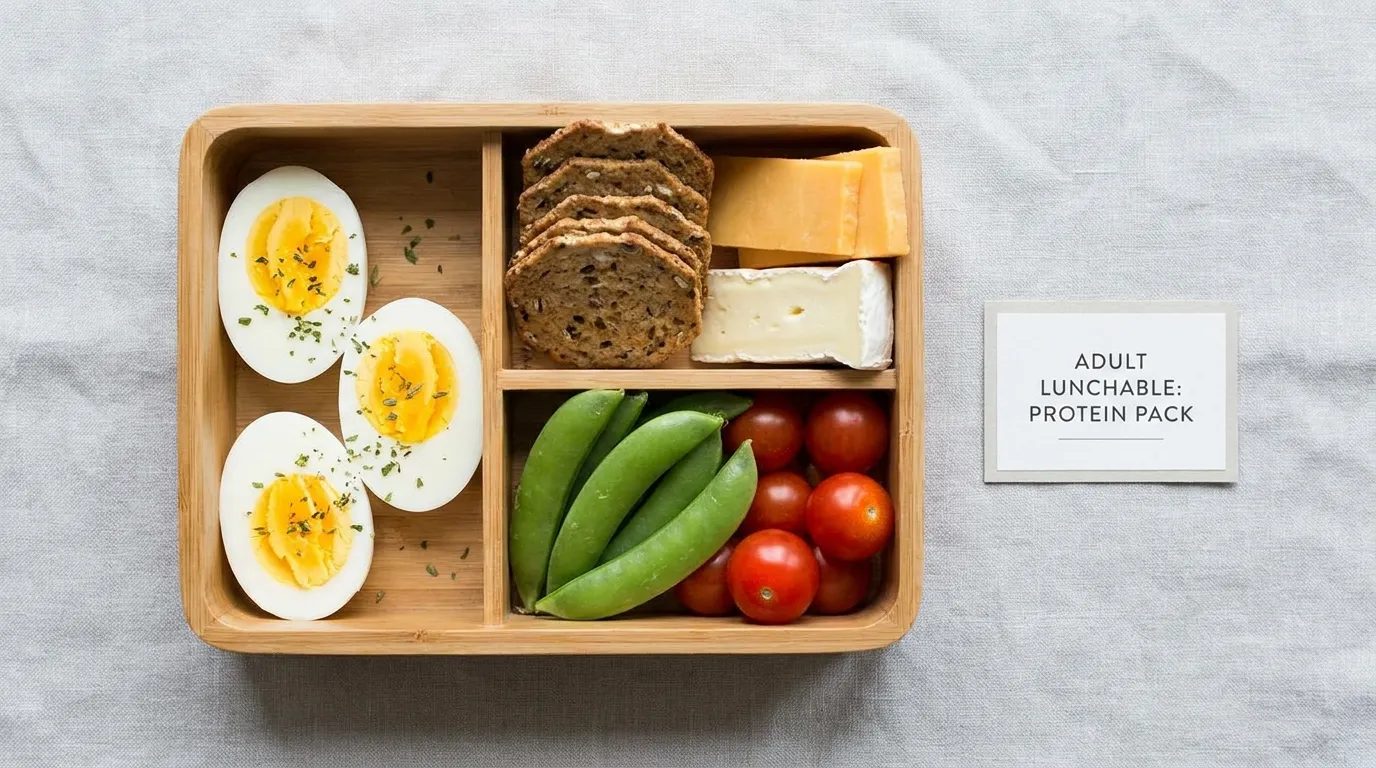
The Power Bowl: The undisputed king of the repetitive, high-performance workday lunch.
2. The “Adult Lunchable” (Bento Box Style)
For those who despise cooking and prefer snacking, this “grazing” style lunch is a lifesaver. It requires zero cooking skills and feels like a charcuterie board for one.
- The Protein: Two hard-boiled eggs (pre-boil a dozen on Sunday) or rolled-up slices of high-quality turkey breast.
- The Crunch & Carbs: A handful of whole-grain or seed-based crackers.
- The Dairy/Fat: A few slices of sharp cheddar or a string cheese.
- The Color: A generous, overflowing portion of raw snap peas, baby carrots, and bright cherry tomatoes.
3. The Loaded Stuffed Sweet Potato
This is the ultimate comfort-food lunch that feels indulgent but is wildly nutritious. You can bake five sweet potatoes on Sunday evening, and lunch is essentially done for the week.
- The Base: A large, deeply baked sweet potato (rich in complex carbs and Vitamin A).
- The Filling: Loaded with a hefty scoop of black beans (for fiber and protein) and fresh salsa.
- The Toppings: A dollop of plain, unsweetened Greek yogurt (a brilliant, high-protein substitute for sour cream), a sprinkle of cilantro, and a side serving of fresh spinach.
4. The Layered Mason Jar Salad
If you love salads but hate when they get soggy by Tuesday, the mason jar method is your savior. The trick is all in the layering.
- Layer 1 (Bottom): Your dressing of choice.
- Layer 2: Hardy vegetables that can marinate without getting mushy (cucumbers, bell peppers, cherry tomatoes, chickpeas).
- Layer 3: Your protein (grilled chicken, edamame, or hard-boiled eggs).
- Layer 4 (Top): Your delicate greens (spinach, arugula, lettuce). Because they are at the top, away from the dressing, they stay incredibly crisp for up to 4 days! Just shake it onto a plate when you are ready to eat.
The Bottom Line on Boring Lunches
So, let us return to our original question: Is it truly okay to eat the exact same thing for lunch every single day?
Yes, absolutely. In fact, it might be the best thing you can do for your sanity and your waistline.
If having a highly predictable, pre-planned midday meal or the exact same grab-and-go breakfast significantly reduces your daily stress levels, keeps your caloric intake steady and manageable, prevents decision fatigue, and helps you avoid dropping $20 on expensive, unhealthy takeout, it can be a phenomenally fantastic habit to build.
Just remember the golden rule: consistency should never become an excuse for a nutritionally poor, junk-food diet. If you are going to repeat a meal, make sure you build something structurally sound with a solid, high-quality mix of lean protein, satiating fiber, and healthy fats.
Let your lunch be the sturdy, reliable anchor of your day. Save your wild culinary adventures, your diverse vegetable rainbows, and your creative energy for dinner. Your brain, your wallet, and your waistline will undoubtedly thank you for it.
If you found this article interesting, please SHARE it with your friends and family!
Note: All images used in this article are AI-generated and intended for illustrative purposes only.
0 Comments